Irvington's Historic Label Comes With a Permit You Didn't Plan For
October 1, 2026
October 1, 2026
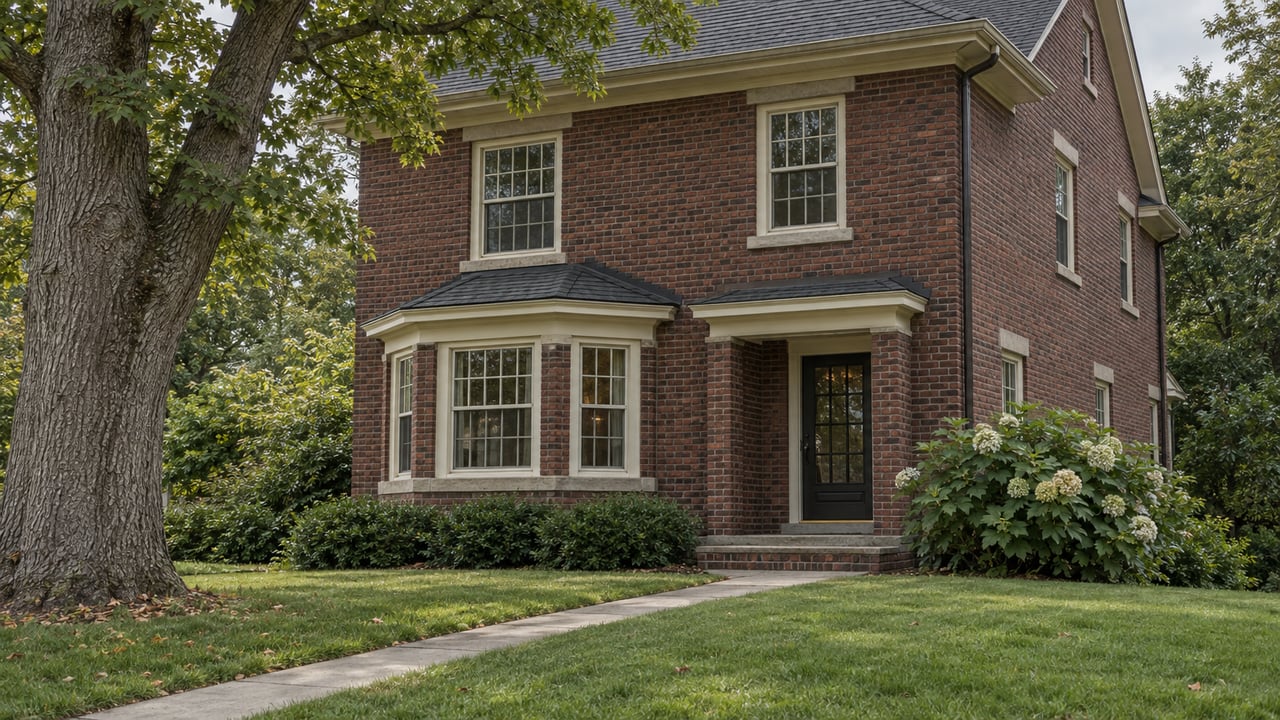
Walk down an Irvington street on a Saturday morning and you'll see somebody up a ladder. A porch getting scraped and primed. A storm door swapped for something with more glass. It looks like ordinary homeownership, the kind that happens on any older street in any city. In Irvington, though, a fair number of those projects started with a form, not a trip to the hardware store.
That's the part buyers tend to learn after they've already fallen for the foursquare with the original hardwoods. Irvington is one of the Indianapolis neighborhoods where the Indianapolis Historic Preservation Commission has to sign off on exterior changes before they happen. Not permits in the general contractor sense. A Certificate of Appropriateness, reviewed by a city commission, for work as ordinary as a new roof color or a garden shed.
The Indianapolis Historic Preservation Commission currently oversees 13 historic districts and 5 conservation areas across Marion County, and Irvington is one of them, with a preservation plan last revised in 2006. Inside a locally regulated district like this one, the commission requires a Certificate of Appropriateness for renovation, new construction, demolition, and site work on any contributing structure. The commission's own guidance puts it plainly: that covers everything from adding a tool shed to changing the color of a roof.
Depending on the scope, a Certificate of Appropriateness gets approved by staff fairly quickly or it goes to a public hearing. Either way, the sequence matters. The work happens after approval, not before, and doing it in the other order can mean being told to undo it.
The commission that makes these calls isn't a formality that rubber-stamps whatever gets submitted. In August 2026, it stepped in to block the demolition of a 113-year-old church building on the former Martin University campus, voting to give the structure historic recognition on the spot and halting the wrecking crew's timeline. That wasn't an Irvington property, but it's the same commission, working the same process, active right now.
Here's where a lot of buyers get tripped up. Indianapolis has plenty of neighborhoods that read as historic on a listing sheet, but not all of them answer to the same commission. Locally designated districts under IHPC jurisdiction include Lockerbie Square, the Old Northside, Herron-Morton Place, Fletcher Place, Fountain Square, Woodruff Place, the Cottage Home conservation area, and Irvington. Neighborhoods that are historically significant and often listed on the National Register, but not under local IHPC design review, include Bates-Hendricks, Holy Cross, and Mapleton-Fall Creek, among others.
The distinction isn't cosmetic. A National Register listing without local designation generally doesn't put a homeowner through certificate review before they repaint or replace a window. A locally designated district does. Irvington falls in the second category, which means the "historic charm" a listing photo sells comes with a process attached to it, one that a buyer moving from a non-regulated Indianapolis neighborhood may never have encountered before.
Ask two different sources what an Irvington home is worth right now and you'll get two different answers, and the gap between them is worth sitting with rather than averaging away.
| Source | Measure | Figure | Window |
|---|---|---|---|
| Redfin | Median sale price | $242,000, up 8.7% year over year | February 2026 |
| Redfin | Days on market | 41 days, up from 35 a year earlier | February 2026 |
| Zillow | Home Value Index (all homes) | $214,126, down 2.4% year over year | As of June 2026 |
Both numbers are real. They're just measuring different things. The median sale price only counts homes that actually closed, and closings in a district like this one skew toward the properties that already cleared the paperwork: renovated, certificate-compliant, ready to photograph well. Those homes are commanding a real premium and taking a bit longer to find the right buyer at that price, which is consistent with days on market drifting from 35 to 41.
The broader home value index is a different animal. It's an estimate across the entire housing stock, including homes that haven't transacted at all, some of which are sitting with deferred exterior work because a full historic-compliant renovation is a bigger lift than a typical fixer-upper. When that larger, slower-moving pool of homes is included, the average value estimate softens even while the properties that do sell are fetching more.
For a buyer, the practical read is this: quoting "the Irvington median" as if it describes a typical house in the neighborhood overstates what a not-yet-renovated home is actually worth on paper, and understates what a fully compliant, move-in-ready one will cost you to win.
The commission's own policy document spells out specifics that surprise people who assumed "exterior work" meant additions and demolitions only. Items that generally require a Certificate of Appropriateness in a locally regulated district include:
Interior renovations generally sit outside this process. Kitchens, bathrooms, mechanical systems, all of that is typically the homeowner's call without commission review. It's the parts of the house visible from the street that trigger the paperwork.
There's a financial upside worth knowing about before you assume the certificate process is pure cost. The Indiana Residential Historic Rehabilitation Tax Credit covers the lesser of $10,000 or 20 percent of qualified rehabilitation expenses on a qualifying historic residence, subject to an annual statewide cap. Indiana Landmarks also administers preservation grants in Marion County, though those lean toward nonprofit applicants rather than individual homeowners. Eligibility depends on the exact designation of the property, so it's a conversation worth having with whoever prepares your certificate application before you assume a renovation budget without it.
Before you write an offer on an Irvington property with exterior work in mind, a few things are worth confirming rather than assuming.
First, ask whether the specific parcel is a contributing structure to the district or a non-contributing one. That status determines how tightly the exterior is regulated, and it isn't always obvious from a listing description.
Second, ask the seller whether any exterior work in recent years went through the certificate process, and get the paper trail if it exists. A documented approval history tells you the house has been maintained inside the rules, which matters both for your own future projects and for how a future buyer will view the home when it's your turn to sell.
Third, build review time into your renovation timeline, not just your renovation budget. A straightforward request might clear at the staff level quickly. Anything more visible from the street may need a hearing, and that's measured in weeks, not days.
Fourth, treat your inspection like it's covering two different houses: the interior systems and the exterior character. Central Indiana's soil composition puts the region at elevated risk for radon, which is why testing is standard due diligence on a purchase here regardless of a home's age or district. Add in the plumbing and wiring typical of homes built before the 1940s, common across Irvington's older core, and a sewer scope or an electrical system review often earns its cost before you've owned the place a year.
None of this makes Irvington a harder place to buy. It makes it a place where the exterior of the house you're purchasing is only partly yours to change on your own schedule, and where the price you see quoted depends heavily on which slice of the market that quote is drawn from.
Does every exterior change need a certificate, even small ones? Interior work generally doesn't require review. Exterior work that's visible from the street, from siding to fence height to shed size, generally does, though minor maintenance and repairs of existing materials in good condition are often treated differently than full replacement.
What happens if work starts before approval? The commission can require the work to be undone and redone to standard, which is a costly way to learn the sequence matters.
Is every historic-sounding Indianapolis neighborhood regulated the same way? No. Locally designated districts like Irvington answer to the Indianapolis Historic Preservation Commission. Some historically significant Indianapolis neighborhoods carry National Register recognition without local design review, which means a much lighter touch on exterior changes.
If you're weighing an Irvington address against something outside a regulated district, or you've already found the house and want a clear read on what its history status actually requires, Andrew Prince can walk through the specifics with you before you write the offer, not after.
Stay up to date on the latest real estate trends.

From strategic planning and skilled negotiation to ongoing communication, Andrew Prince is dedicated to making your buying or selling journey smooth, successful, and tailored to your goals.

Andrew Prince
1533 Olive Branch Parke Ln Ste A Greenwood, IN 46143